Cripp Daddy Girlfriend: His Private Life and Legacy
Public information about Donovan Castillo, known professionally as Cripp Daddy, indicates that he kept his romantic life largely outside the spotlight despite cultivating a recognisable online presence through comedy, videos, podcasts, and social media. His work often drew on disability, personal experience, and deliberately provocative humour, creating a public persona that was more visible than the details of his private relationships. Although various online pages have attached the word girlfriend to his name, no dependable public record establishes the identity of a current or former confirmed partner.
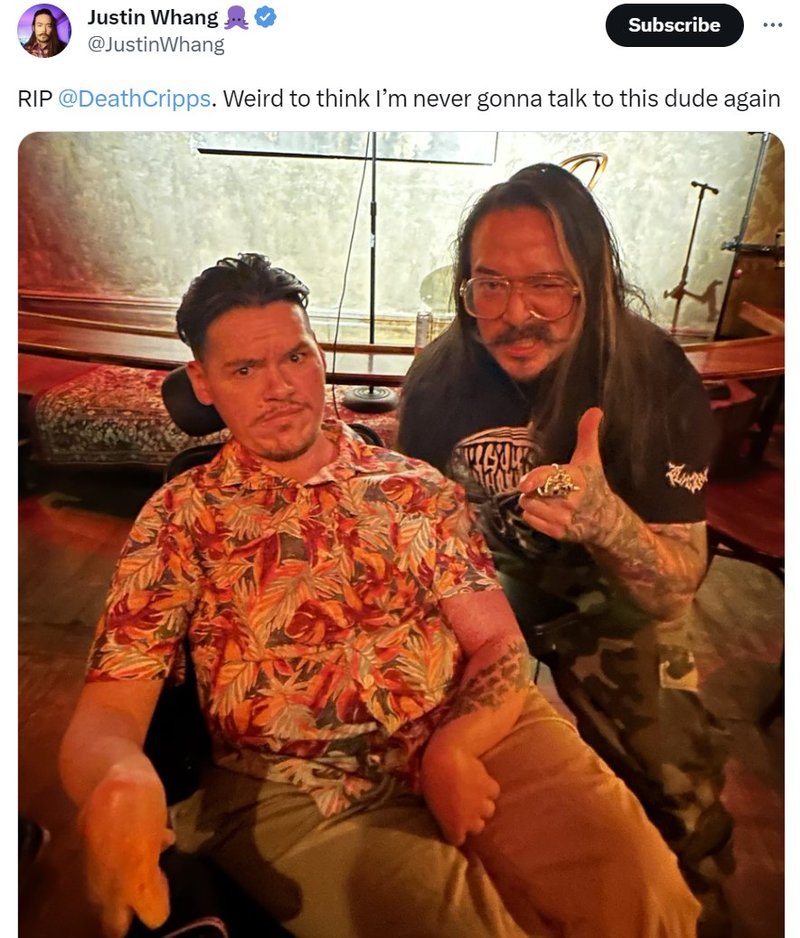
Castillo became known in online comedy spaces for material that addressed difficult subjects with a confrontational and self-aware style. He appeared on video platforms, social channels, and comedy-related programs, including an episode of The Lou Perez Podcast, where the discussion covered his comedy and personal viewpoints. He also performed in person. Reports concerning his death identified him as a disabled comedian whose material frequently incorporated his disability and the realities of his life.
Did Cripp Daddy Have a Confirmed Girlfriend?
No confirmed public information identifies a girlfriend or establishes that Cripp Daddy was in a publicly verified relationship. Reports and biographical summaries discussing Donovan Castillo have focused primarily on his comedy, disability advocacy through humour, online work, and death rather than naming a romantic partner. Any claims assigning him a girlfriend should therefore be treated as unverified unless supported by clear statements from Castillo himself, a confirmed partner, family representatives, or credible reporting.
The available evidence leaves important limits on what can responsibly be said about Castillo’s dating history. Articles framed around his supposed girlfriend or relationship timeline generally do not provide independently corroborated details such as a partner’s full name, a joint public appearance, a reliable interview, or a statement acknowledging a relationship. A headline or generic reference to a girlfriend does not by itself demonstrate that a relationship existed, particularly when the underlying material offers no sourcing or specific factual record.
His public-facing output did not appear to make romance a central part of his professional identity. The content for which he was known focused more heavily on comedy, disability, provocative commentary, social observations, and personal experiences. That distinction matters because entertainers may share aspects of their lives publicly without choosing to disclose intimate relationships. Privacy in this area does not establish that someone was single, but it does mean that outside observers lack a factual basis to name a partner or reconstruct a timeline.
Reports published after Castillo’s death have similarly concentrated on his cultural impact, comic style, and the reaction of people who knew his work. None of the supplied public reporting confirms a surviving girlfriend, fiancée, wife, or other romantic partner. In the absence of such confirmation, presenting a specific person as Cripp Daddy’s girlfriend would risk turning speculation into biography. The most accurate conclusion is that his relationship status was not publicly verified and that no partner can be reliably identified from the information available.
Donovan Castillo’s Public Career as Cripp Daddy
Cripp Daddy was the professional identity used by Donovan Castillo, a comedian and online personality who built attention through a distinctive and intentionally unapologetic approach to humour. His work operated in spaces where comedy often intersects with personal testimony, controversy, and commentary on subjects that many performers avoid. Rather than separating disability from his comedic identity, Castillo made it a recurring part of his public material.
That approach helped him stand out but also made him a polarising performer. Dark comedy can prompt strong reactions because it challenges audiences to sit with discomfort, particularly when the material involves illness, bodily autonomy, prejudice, sexuality, or social expectations. Castillo’s work was associated with that kind of boundary-testing humour. The material was often understood through the context of his own lived experience, which gave him an unusual position in discussions about who can tell certain kinds of jokes and how personal hardship can be transformed into performance.
His appearances on online platforms expanded the reach of his comedy beyond conventional clubs and live venues. Video content, podcasts, and social media allowed audiences to encounter his personality directly, while also encouraging the rapid circulation of fragments, clips, and second-hand descriptions. Such an environment can make a creator’s public image feel highly familiar even when substantial parts of their life remain private.
Castillo’s prominence was therefore based not on celebrity-style disclosure but on a visible artistic persona. His openness about some difficult subjects should not be confused with openness about every subject. The record of his career provides considerable material about his humour and outlook, but far less reliable information about his family relationships, dating life, or possible partners.
Why Relationship Claims Require Careful Evidence
Biographical reporting on entertainers often faces a basic evidentiary problem: a person may be well known to an audience without having placed their personal relationships on the public record. This appears to be the case with Cripp Daddy. A reliable account of a relationship normally requires more than an assertion in a profile or a page built around a celebrity’s private life.
Useful confirmation can include a clear acknowledgement by the person involved, a consistent identification in established news reporting, a public statement from a partner, or documentation such as an engagement or marriage announcement. Context also matters. A photograph with another person, an appearance at an event, or a social-media interaction may show friendship, collaboration, or family connection rather than romance. Without explicit context, those details cannot establish a girlfriend or boyfriend.
In Castillo’s case, the public material cited about his life does not provide those stronger forms of corroboration. There is no confirmed name attached to a girlfriend, no substantiated account of a long-term relationship, and no verified timeline showing when a relationship began or ended. It would be misleading to fill those gaps with assumptions based on his age, public visibility, or the fact that relationship-focused pages exist.
Respect for privacy is especially important following a person’s death. Survivors and relatives may choose not to make private details public, and the absence of disclosure should not invite conjecture. Accurate biographical writing distinguishes between what has been documented, what remains uncertain, and what is simply unknown. For Cripp Daddy, the documented facts concern his career and public persona; his romantic relationships remain unconfirmed.
His Disability, Comedy, and Public Persona
Castillo’s stage name and comic material reflected the way he addressed disability directly rather than treating it as a topic to be hidden or softened for an audience. His comedy reportedly made use of dark humour and personal experience, a style that can function as both self-expression and social critique. By confronting assumptions around disability, he made audiences aware of the discomfort and stereotypes that often shape public reactions.
The label he chose for his public identity was provocative, and its use was part of the larger comedic framework through which he presented himself. It is important to recognise that the name was associated with his own work and self-presentation. It does not make the language universally appropriate when used by others, nor does it reduce his career to a single aspect of his identity.
His podcast appearance offered another view of the range of topics he was willing to discuss. The episode description identified conversations involving dark comedy, disability, and strongly held personal opinions. Such appearances helped establish him as a participant in a particular strain of comedy that values frankness over polish and challenges social convention rather than avoiding controversial subjects.
For followers, that candour could create a sense of closeness. Yet a creator’s willingness to share uncompromising thoughts does not mean every personal matter has been disclosed. Castillo’s professional visibility offers no reliable grounds for making claims about a girlfriend. His public legacy is better understood through his artistic choices, his interactions with audiences, and the impact of his distinctive voice.
Reports of Cripp Daddy’s Death and Legacy
Public reports confirmed the death of Donovan Castillo, prompting reactions from people familiar with his comedy and online work. Coverage described him as a disabled comedian who had used humour to address aspects of his life, both online and at comedy shows. The news shifted discussion away from ordinary celebrity speculation and toward remembrance of a performer whose material had left a strong impression on a specific audience.
When a comedian dies, public recollections frequently focus on the qualities that made the performer memorable: their delivery, willingness to take risks, personal generosity, or capacity to express difficult experiences in unexpected ways. Castillo’s legacy appears closely linked to his refusal to make his humour conventionally comfortable. His work did not ask audiences to ignore disability or hardship; it made those realities part of the conversation.
That legacy also requires factual restraint. Tributes, brief biographical posts, and commentary can preserve parts of a public figure’s story, but they do not automatically verify every personal claim attached to their name. Information about a spouse, partner, children, or other relatives should be reported only when reliable evidence establishes it. In this case, no verified material identifies a girlfriend or confirms a particular relationship at the time of his death.
Castillo’s body of work remains the clearest public record of who he was professionally. He was a comedian whose style could be divisive, but whose perspective was clearly shaped by lived experience and a readiness to discuss taboo subjects. The absence of publicly verified romantic details is not a missing puzzle for outsiders to solve; it is simply a boundary in the available record.
Conclusion
Cripp Daddy, whose real name was Donovan Castillo, did not have a publicly confirmed girlfriend identified in reliable reporting. Although some relationship-focused pages have suggested a dating history, the available material does not substantiate a partner’s identity, a confirmed timeline, or a current relationship. Castillo’s public life was defined far more clearly by his work as a comedian, his disability-centred dark humour, and his presence across online and live comedy spaces. Following his death, the responsible account is that his romantic life remained private and unverified, while his professional legacy remains the best-documented part of his story.